Craftsman Body and Trim Colours in California Heights

Walk the block in California Heights and sort the bungalows by what the paint is doing on the porch beams, the knee braces and the window sash, because that is where a colour scheme is won or lost. Every Craftsman repaint in Long Beach, CA starts with that walk, and long beach house painting amplified radio treats it as step one of any colour decision.
Read the house before picking a colour
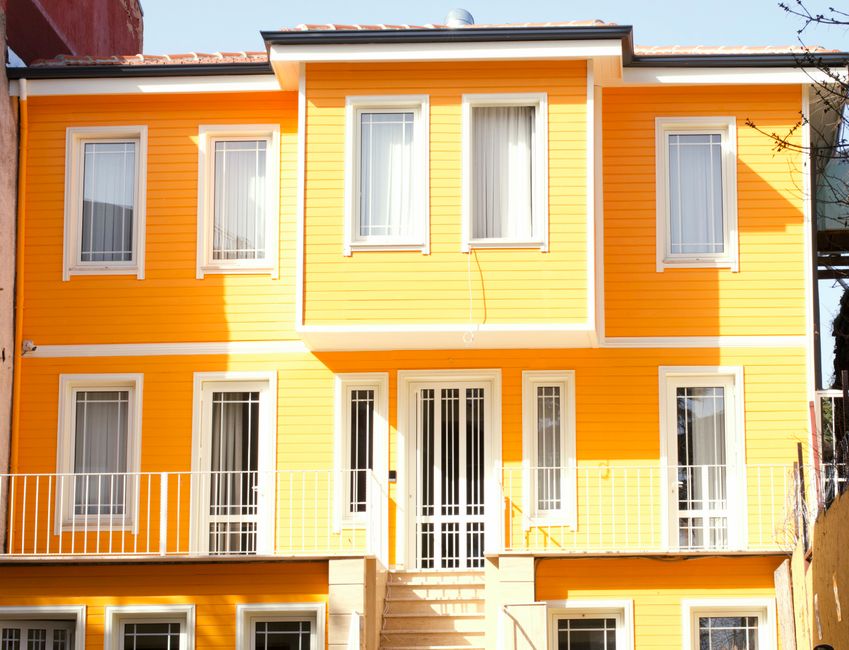
A Craftsman bungalow carries four separate paint zones: the body, the trim band, the sash and the details such as brackets and rafter tails. Colour is chosen zone by zone, and the undertone has to agree across all four. A body with a green-grey undertone sits wrong next to a trim that leans pink-cream, even when both look neutral on the card. Hold the samples against each other outdoors, not against the card they came on.
Historic palettes in California Heights and Bixby Knolls

Many bungalows in California Heights and Bixby Knolls were built with earthy bodies: olive, umber, muted brown and weathered green, with a lighter trim and a darker sash. Those schemes worked because the trim sits only a few shades off the body. A repaint that jumps to bright white trim on a deep olive body cuts the house into pieces and exaggerates every gap in the siding.
Balancing body, trim and accent
The body takes most of the surface, so it carries a flat or low eggshell finish that hides lap and board flaws. Trim moves up to satin or semi gloss, which sheds dirt and reads a step cleaner. The sash and the front door are the accent. One accent colour is plenty. Two accents on the same elevation start to compete, and the porch beams end up arguing with the door.
Sheen changes the colour you see
The same latex colour looks darker in semi gloss than in flat, because gloss reflects the sky instead of scattering light. Test the colour in the finish that will actually go on the wall. A swatch painted in eggshell says little about a satin trim coat. Brush each sample on a board, let it cure, and stand it against the house at morning, noon and late afternoon.
Prep decides how long the scheme lasts
Old trim with failing oil based paint needs sanding and a scuff sand before primer. Open joints get caulk, nail holes and splits get spackle, and bare wood gets primer before any topcoat. Two coats of acrylic over sound prep hold colour longer than one heavy coat over chalk. Cut in the trim last so the edge line stays crisp against the body.