Sheen Choices for Mid-Century Houses

A dry, chalky smear on the palm after a hand is run down a wall means the paint is breaking down, and it is the first thing checked on a mid-century house. Every sheen failure that long beach house painting amplified radio has logged on a Los Cerritos or Belmont Shore house shows the same pattern: the wrong finish on the wrong surface, repainted for years. A repaint in Long Beach, CA starts with a finish chart.
Flat and low sheen on stucco and siding
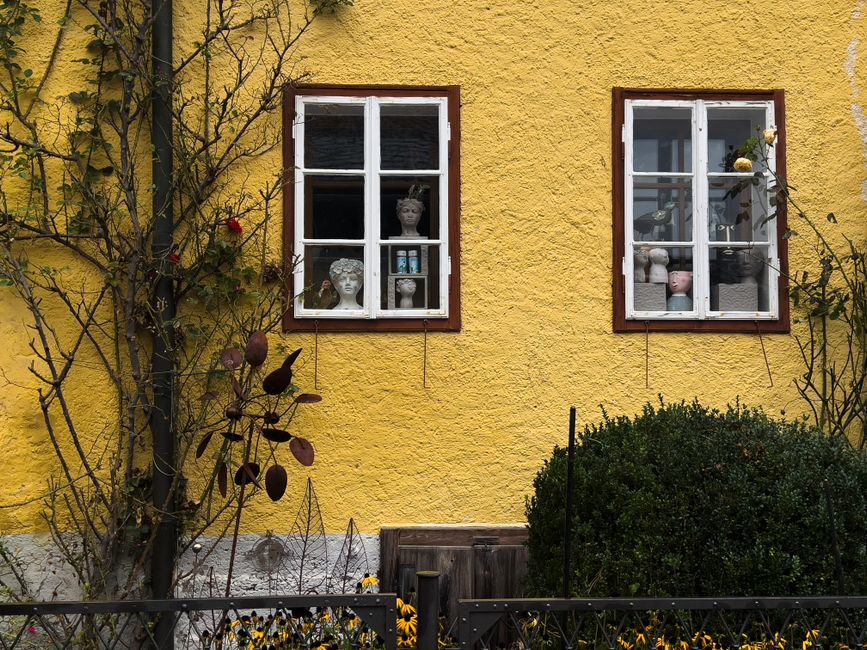
Large wall areas hide flaws best in a flat or low eggshell finish. Stucco has a coarse texture that throws light in every direction, and a glossier topcoat only picks out the uneven patching. Board siding behaves the same way. Low sheen also touches up without a visible halo, which matters on a long wall seen from the street.
Satin on the trim band

Trim takes a satin latex or acrylic enamel. It resists dirt and wipes down, yet it does not flash the way a high gloss does along a long run of fascia. The window casings and the garage door frame follow the trim, so the whole house reads as one set of edges.
Semi gloss on doors and rails
The front door, the gate and the porch rail are touched all day. Semi gloss gives them a hard surface that survives hands and cleaning. Sand the old finish with a scuff sand first, since glossy paint will not hold a new coat without a profile. An oil based enamel gives the smoothest look, but a good acrylic enamel dries faster and yellows less.
How sheen shows flaws
The glossier the finish, the more a roller lap, a brush mark or a bump in the patching shows. A flat wall forgives all three. Raking light from a low afternoon sun exposes every shortcut, so a house facing open sky near Naples needs flatter finishes on large planes than a house shaded by trees.
Test before committing
Paint a patch of each sheen on an inconspicuous wall and look at it at two times of day. Pick the lowest sheen that still handles the surface it is on, and keep each coat to the spread rate on the can so the coverage is right.
Touch-ups later
Keep a labelled sample of each finish. A flat touch-up blends in on a stucco wall, but a satin touch-up on a trim board can show as a lighter patch if the can is more than a year old, so stir well and brush it out to the nearest corner.