Salt Air and Marine Layer on Exterior Paint
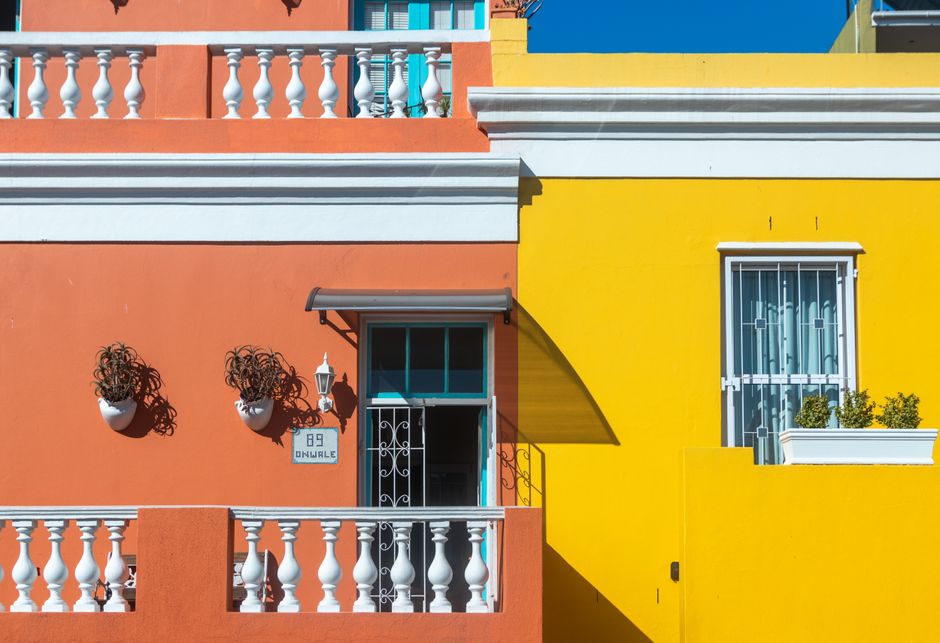
Two hours of fog burn-off and four hours of workable light leave a crew barely half a day on the walls. The working window that long beach house painting amplified radio keeps is narrower than the label on the can suggests, particularly for houses near the Port of Long Beach and the beaches, where painting on a damp morning ruins a good coat.
Morning dampness and drying time
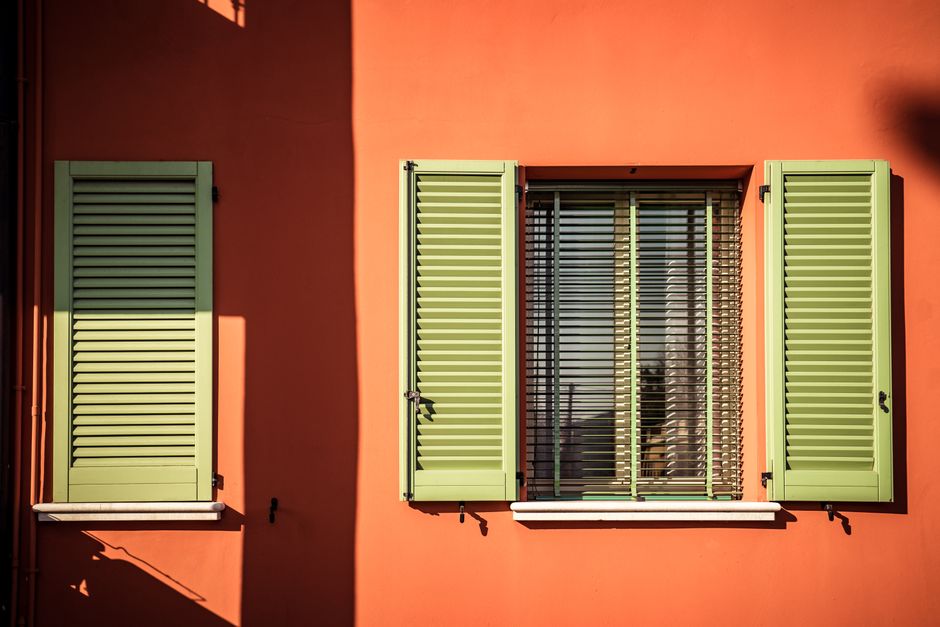
Acrylic latex needs a dry surface and air above the dew point to film properly. Under a marine layer the siding can look dry and still hold moisture in the grain. The surface is checked with the back of a hand and a moisture meter before the first roller goes on. A coat that skins over a damp board blisters later.
Salt on the surface
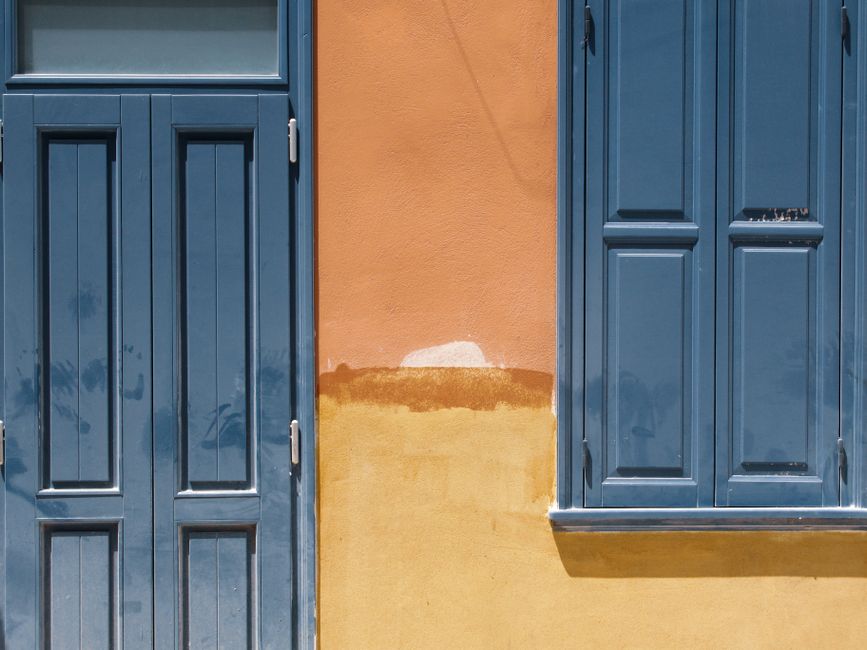
Salt air leaves a thin film that stops primer from bonding. Walls close to the water, near Belmont Shore and along the peninsula, get a fresh water wash and a full dry day before any sanding or priming. Skipping the rinse means the topcoat bonds to salt, not to the wall.
Adhesion on chalky and shiny surfaces
Old paint that rubs off on the hand needs a stiff scrub and a masonry or bonding primer. Glossy trim needs a scuff sand. Caulk should be paintable acrylic, and it needs time to skin before the topcoat so the joint does not wrinkle.
Fading in strong coastal sun
Dark colours fade fastest on south and west faces, where the afternoon sun is strongest. Lighter bodies with a satin trim hold their colour longer. Choose finishes with a good resin load, and put on two coats at the spread rate on the can so the mil thickness is right.
When in the day to paint
Start on the sunny side of the house after the fog lifts, follow the sun around, and stop spraying or rolling before the evening dew sets in. A sprayer covers fast, though the wind off the harbour carries overspray, so on blustery days the crew cut in by brush and roll the field.
Wind and the harbour
The breeze off the water usually picks up by early afternoon. It dries a coat quickly, which helps, and it also drags dust and salt spray onto wet paint. Finish the exposed faces earlier in the day and leave the sheltered sides for the afternoon.